- Sep 2, 2024
Strength Training: The Ultimate Rehab Hack
- TimeSaver Strength
- 0 comments
Why Full-Body Strength Training Outperforms Physical Therapy in Long-Term Recovery
As we age, most of the population experiences a decline in muscle mass, a condition known as sarcopenia. This loss is made worse by our increasingly sedentary lifestyles, where long hours of sitting and minimal physical activity become the norm. Low muscle mass isn’t just a cosmetic concern—it’s a serious health issue that leaves our bodies more vulnerable to injury. Whether it’s a fall, a sudden twist, or even just lifting something heavy, insufficient muscle support can lead to strains, sprains, and other injuries that could have been prevented with adequate muscle strength.
When people with low muscle mass decide to start exercising—often motivated by a desire to get healthier—they commonly do so without proper guidance. This can lead to improper form or overexertion, resulting in injuries that lead them to stop exercising altogether. It’s a frustrating cycle: the very activity meant to improve health ends up causing many to abandon exercise and remain sedentary.
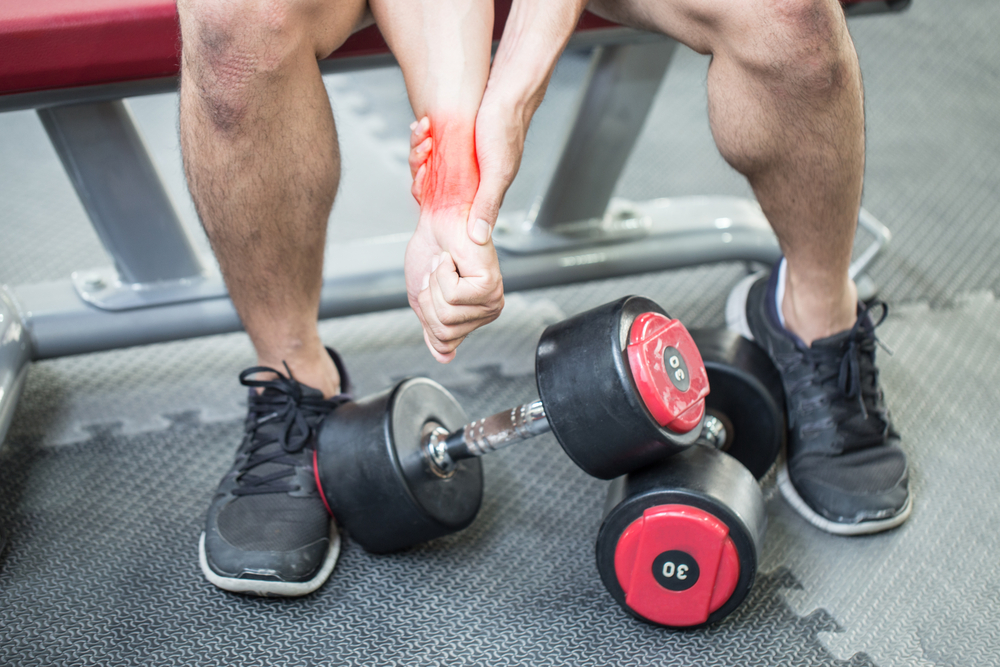
In the following discussion, we’ll explore why full-body strength training is often more effective than traditional physical therapy. We’ll also discuss how a proper strength training program like TimeSaver Strength is unique in that you can continue to maintain/build your strength and improve your health while accelerating the healing process, offering a more balanced and holistic approach to rehabilitation.
While PT is undeniably important for recovery, it’s essential to recognize that its scope is often limited. And for many people, the injury that led them to physical therapy in the first place was a result of not having a proper strength routine in their lives- either no exercise at all, or a program that relies almost entirely on muscle-wasting "cardio." In these cases, full-body strength training not only offers a more comprehensive solution but also helps prevent future injuries by addressing the root cause. Let’s explore why full-body strength training can be more effective than traditional PT and how continuing (or indeed, beginning) to train unaffected body parts can speed up recovery.
The Link Between Low Muscle Mass and Injury
Low muscle mass virtually guarantees injury at some point- it leads to poor joint stability, imbalances, and falls. For example, weak glutes (the muscles in your butt) can contribute to lower back pain, while underdeveloped quadriceps can make the knee joint vulnerable to injury.
When muscle mass is low- either through disuse or chronic "cardio-" the body’s ability to absorb and distribute forces is compromised, making it more susceptible to strains, sprains, and other injuries. Unfortunately, physical therapy often focuses on the immediate injury without addressing the underlying issue of muscle deficiency, leaving you vulnerable to future problems.
The Limitations of Physical Therapy
Physical therapy typically targets only the specific injured area, employing low-intensity, repetitive exercises designed to restore basic function. While these exercises may be important in the initial stages of recovery, they are not intense enough to build the strength needed to prevent re-injury. After all, PT is typically designed to get you only back to where your were before you were injured, and does little to prevent further injury and make you more resilient.
Why Full-Body Strength Training is Superior
Full-body strength training addresses the body as an interconnected system, rather than isolating individual muscles or joints. By engaging in compound exercises that work multiple muscle groups simultaneously, you build a balanced, symmetrical physique that is less prone to injury.

Even when you’re dealing with an injury, full-body strength training remains a viable—and often superior—option. Training the unaffected areas of your body can maintain muscle mass and overall strength, which are crucial for supporting the injured area as it heals. For instance, if you have a shoulder injury, you can still perform lower body exercises like squats and lunges, ensuring that your lower body stays strong and functional. In addition, there is an "indirect effect" whereby training one muscle group will build strength and mass in other groups. Squats, for example, will build upper body strength as well.
The Healing Benefits of Strength Training
Continuing strength training during recovery isn’t just about maintaining your physique. It can also accelerate the healing of the injured area, increasing blood flow throughout the body, including to the site of injury. This enhanced circulation delivers essential nutrients and oxygen to the damaged tissue, speeding up recovery.
Strength training also triggers the release of anabolic hormones like testosterone and growth hormone, which are essential for tissue repair and muscle regeneration. By continuing to train, even in a modified way, you create a hormonal environment that supports faster and more effective recovery of the injured area.
Continue Training Around Injuries
One of the key benefits of full-body strength training like the TimeSaver Strength program is the ability to adapt your workouts based on your current condition. For example, if you’ve injured your knee, exercises like deadlifts might be off-limits, but you can still focus on upper body presses, pulls, and isolation movements. This approach keeps you physically active and also supports your mental well-being: continuing to train can provide a sense of accomplishment and control, helping to boost your mood and aid in the overall recovery process.
In Conclusion
Many injuries requiring physical therapy occur due to low muscle mass, which leaves the body vulnerable to strain and instability. While physical therapy is important for recovery, it’s most often just the first step. Full-body strength training addresses the root cause of many injuries—insufficient muscle mass—while keeping the rest of your body strong, improving circulation, and creating a healing environment within the body. So, even when you're injured, don’t stop training for strength. Or, if you're not already exercising, see your injury as your "wake-up call" to begin a proper strength training program: train smartly, train fully, and let your body recover stronger than before.
Most people are confused about how to get in shape. At TimeSaver Strength, I've created a simple, super-efficient program that condenses an entire week of workouts into just a few minutes so you won't waste time doing things that don't work. Schedule a free consult with me now!